Utah Paving Contractor
Crack Sealing & Filling
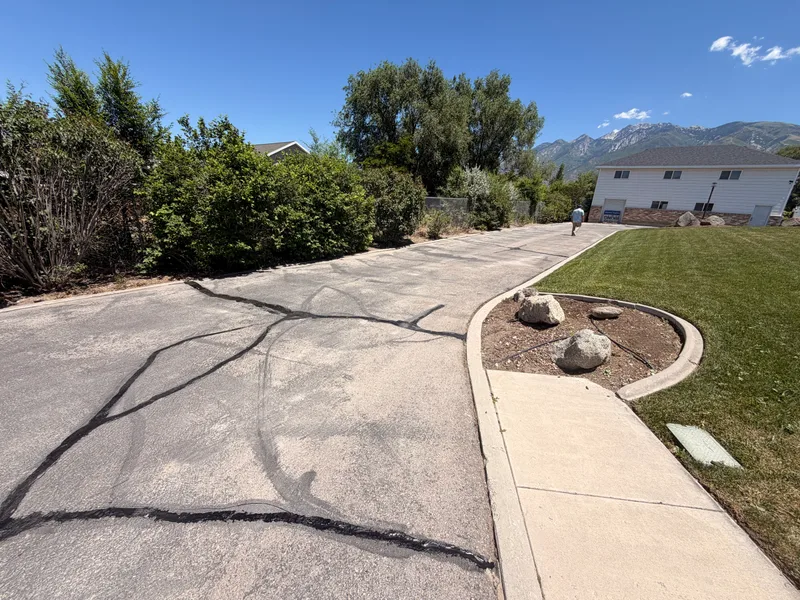
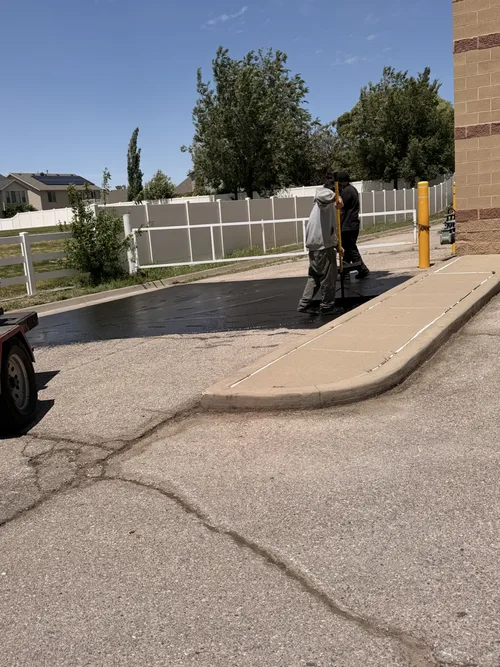
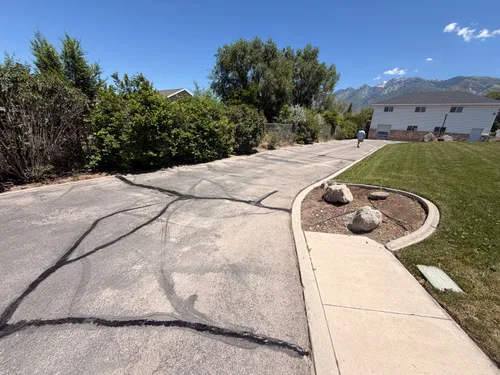
Rubberized sealant routed into working cracks stops water from getting underneath the surface — the single most effective way to keep a small crack from becoming a structural problem.
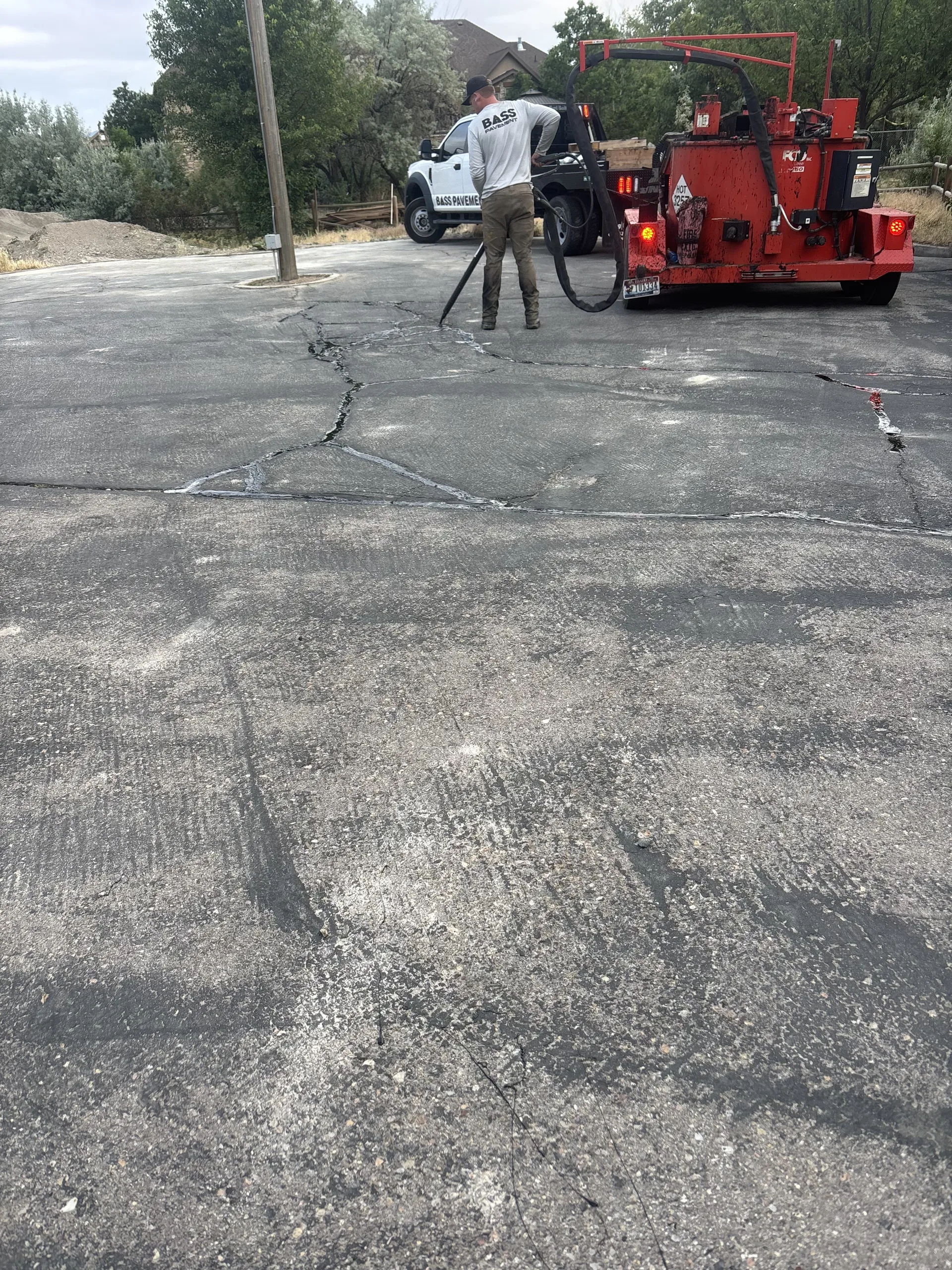
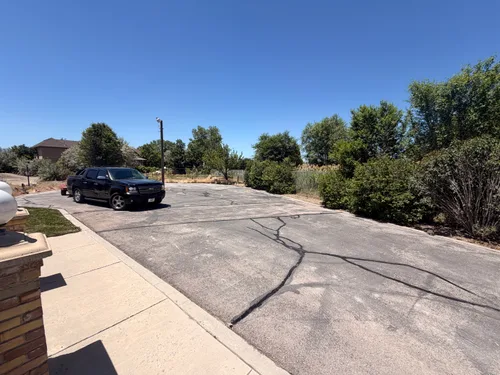
Cracks are inevitable in asphalt — Utah's freeze-thaw cycles expand and contract pavement every winter, and eventually the surface gives a little. What matters is what happens next. Left alone, water gets into a crack, freezes, expands, and turns a hairline crack into a pothole within a season or two. Crack sealing and filling is the cheapest, fastest way to stop that cycle before it starts.
We distinguish between the two for a reason: crack sealing uses a hot, rubberized sealant on "working" cracks — ones that expand and contract with temperature — because the sealant flexes with the pavement instead of cracking again next to it. Crack filling uses a firmer material on stable, non-working cracks where flexibility isn't the priority. Using the wrong one on the wrong crack is why some crack repairs fail within a year.
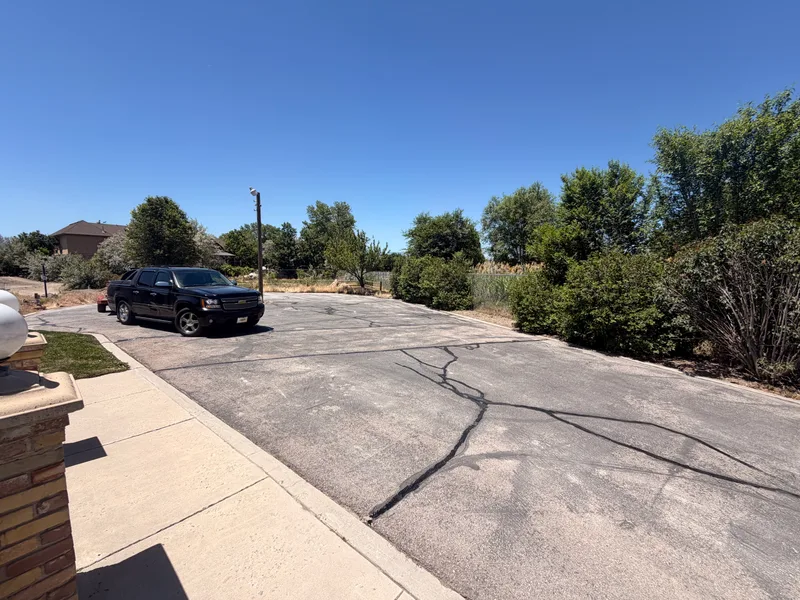
Crack Cleaning
Dirt, vegetation, and loose debris are routed and blown out of every crack — sealant won't bond to a dirty crack.
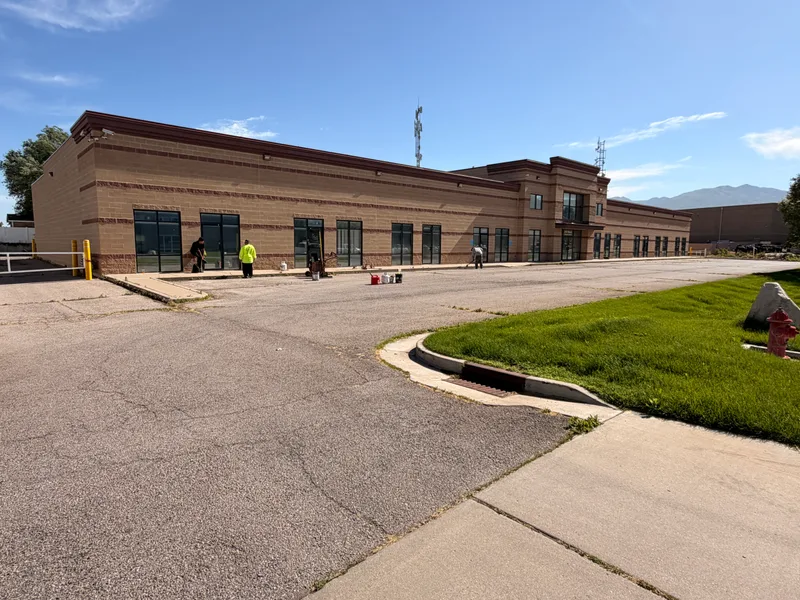
Crack Routing (Where Needed)
Working cracks are routed to a consistent width and depth so the sealant has something to grip.
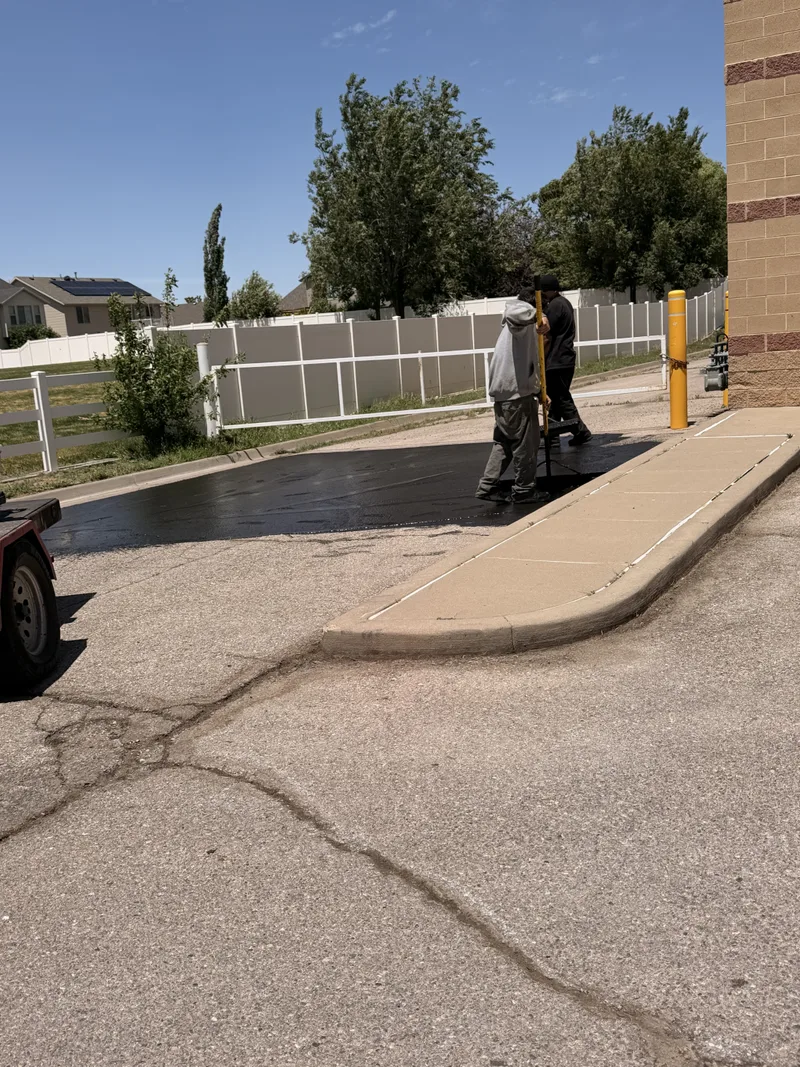
Hot-Applied Sealant
Rubberized sealant is heated and applied flush with the surface, flexing with the pavement through temperature swings.
Tooling & Finish
The sealant is tooled to a smooth, slightly crowned finish so water sheds instead of pooling.
Cure Time
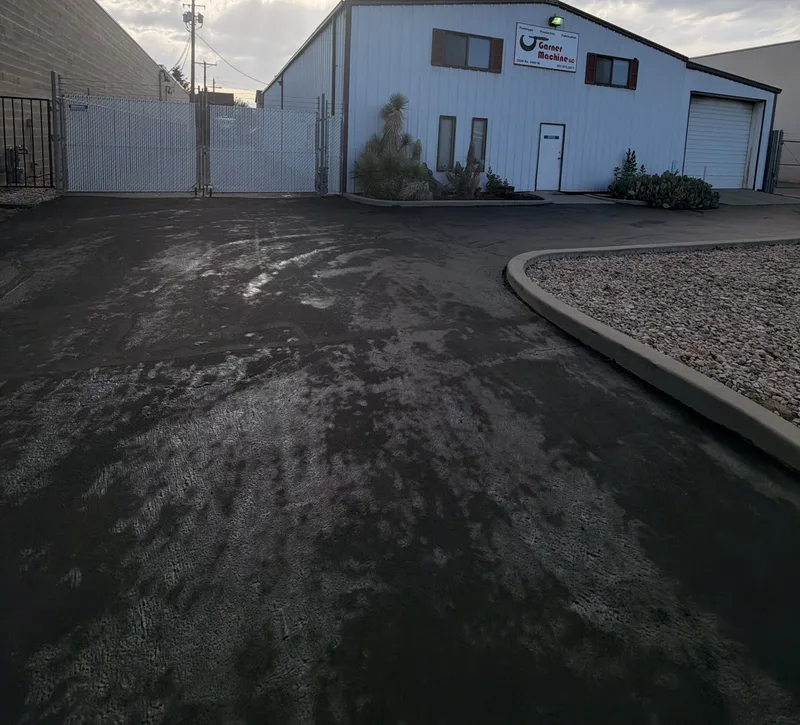
The area is kept clear of traffic until the sealant sets, typically within a few hours depending on temperature.
Signs You Need Crack Sealing & Filling
- Cracks wider than a quarter inch that keep coming back after DIY filler
- Cracks running in connected patterns, but not yet full alligatoring
- Water pooling or dark staining along a crack line after rain
- A driveway or lot that hasn't been sealed in the last 2-3 years
Why C&M
- Stops Water Before It Spreads:Sealing is the cheapest way to prevent a crack from becoming a pothole.
- Right Material for the Crack:Hot rubberized sealant for working cracks, firmer filler for stable ones.
- Extends Pavement Life:Routine crack sealing can add years to an asphalt surface's usable life.
- Fast Turnaround:Most driveways and lots are sealed and cleared within a day.
Ready to Get Started?
Free estimates. Fully insured. Satisfaction guaranteed.